
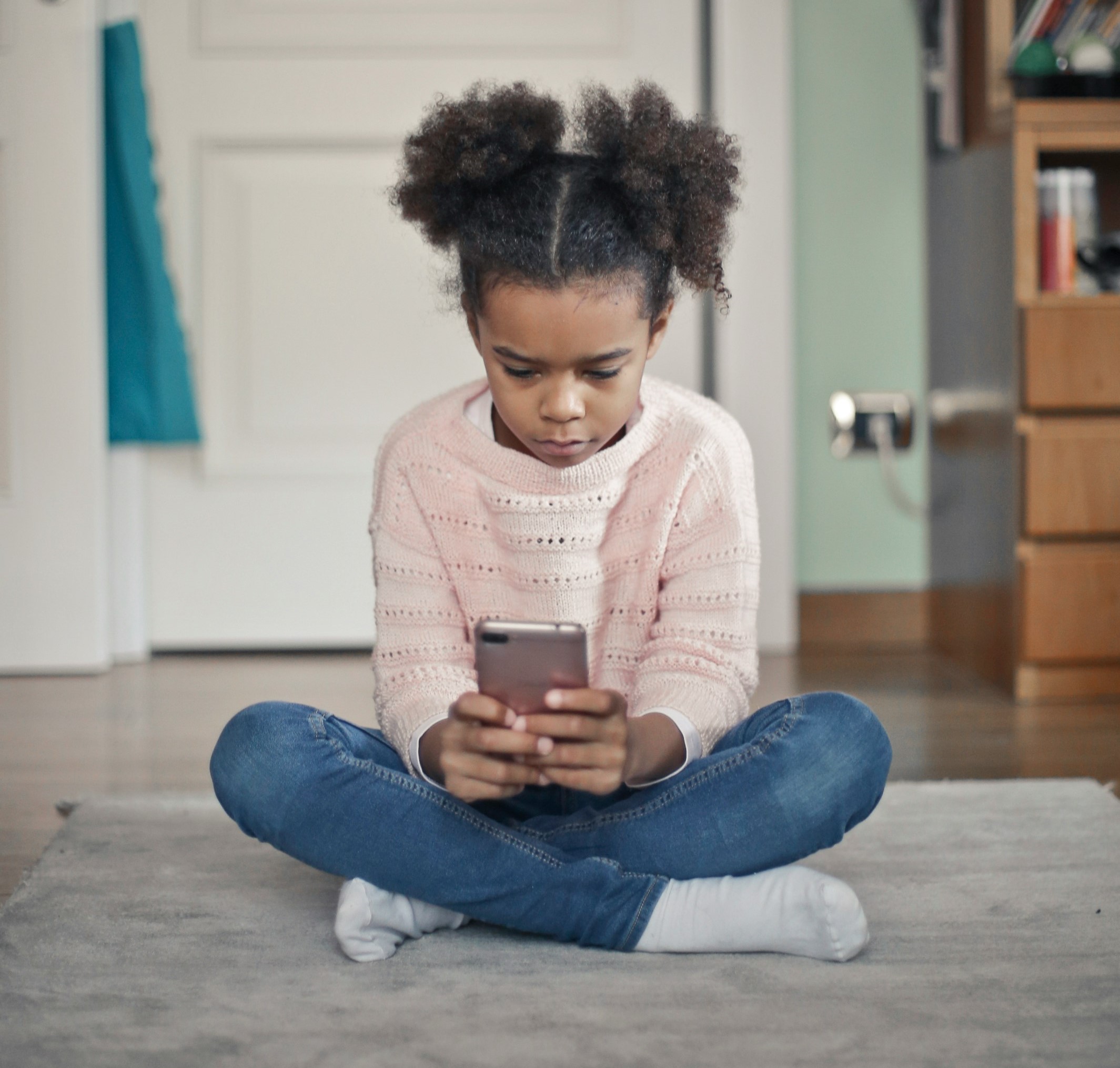
In recent years, the pervasive influence of social media on the lives of teenagers and young adults has garnered significant attention from researchers, educators, and parents alike. While these platforms offer unprecedented opportunities for connectivity and self-expression, they also raise important questions about their impact on social skills development.
The Social Media Paradox:
Social media platforms have become integral aspects of modern-day communication, allowing individuals to connect with friends, family, and peers instantaneously. However, the very nature of online interactions can present challenges to the development of traditional social skills. Research suggests that excessive use of social media may hinder the development of crucial abilities such as empathy, perspective-taking, and emotional regulation (Moreno et al., 2018). The curated nature of online personas and the prevalence of superficial interactions can contribute to a disconnect between virtual and real-world social experiences, posing challenges to authentic social engagement.
Impact on Communication Skills:
Effective communication lies at the heart of social awareness and competence, facilitating meaningful connections and mutual understanding. Yet, the asynchronous and text-based nature of social media communication can limit opportunities for nuanced expression and nonverbal cues interpretation. Studies have shown that heavy reliance on digital communication platforms may undermine face-to-face communication skills, leading to difficulties in maintaining eye contact, interpreting body language, and navigating social cues (Uhls et al., 2017). Moreover, the prevalence of abbreviations and emojis can obscure language proficiency and hinder the development of articulate communication skills.
Social Comparison and Self-Esteem:
Social media platforms are often characterized by a culture of comparison, where users showcase curated highlights of their lives while comparing themselves to others. This perpetual cycle of comparison can have profound implications for self-esteem and social well-being, particularly among adolescents and young adults. Research suggests that frequent exposure to idealized images and lifestyles on social media may contribute to feelings of inadequacy, envy, and low self-worth (Fardouly et al., 2015). Moreover, the pressure to garner likes, comments, and followers can fuel a sense of validation-seeking behavior, detracting from authentic self-expression and genuine social connections.
Mitigating the Impact:
While the influence of social media on social skills development is undeniable, it is essential to adopt a nuanced and balanced approach to its use. Educators, parents, and policymakers can play a crucial role in promoting healthy digital habits and fostering social competence among young individuals. Encouraging offline social interactions, promoting digital literacy, and fostering critical media consumption skills are just a few strategies that can help mitigate the negative impact of social media on social skills development. Additionally, cultivating empathy, resilience, and self-awareness through social-emotional learning programs can equip teens and young adults with the tools they need to navigate the digital landscape with confidence and integrity.
Conclusion:
The rise of social media has ushered in a new era of opportunities and challenges for social development among teens and young adults. By understanding the nuanced interplay between social media use and social competence, we can work towards fostering healthy digital habits and nurturing authentic social connections in the digital age. Through collaborative efforts and evidence-based interventions, we can empower the younger generation to navigate the complexities of the online world while cultivating meaningful relationships and thriving in their social interactions.
Leave a Reply