
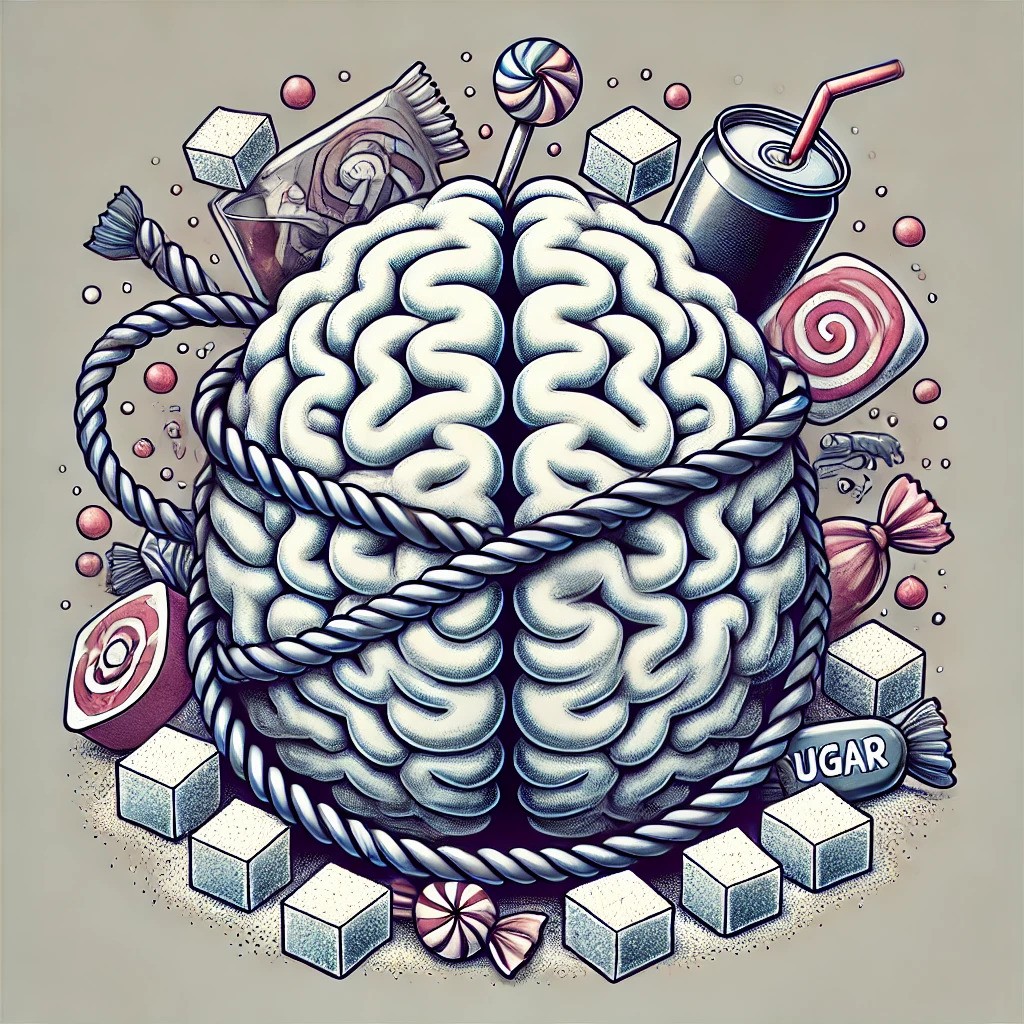
The brain is a highly metabolically active organ, relying heavily on a steady supply of energy derived from glucose. However, while carbohydrates are essential for brain function, different types of carbohydrates—especially refined sugars—can have profound and sometimes detrimental effects on brain chemistry and mental health. Recent studies have explored how sugar and carbohydrates impact neurotransmitters like serotonin, dopamine, and others involved in mood and cognition, revealing a complex relationship between diet, mental health, and brain function. This article provides a brief review of the biochemical effects of sugar and carbohydrates on the brain, their role in mental health disorders, and the best diet for mental health.
I. How Sugar and Carbohydrates Affect Brain Chemistry
1. Glucose as the Brain’s Primary Fuel
Glucose is the primary source of energy for neurons, with about 20% of the body’s glucose being used by the brain. This is necessary for numerous cognitive functions, including memory, learning, and decision-making. However, the source of this glucose—whether from simple sugars or complex carbohydrates—can dramatically impact how the brain functions.
Complex carbohydrates, such as those found in whole grains and vegetables, are digested slowly, leading to a steady supply of glucose. This ensures stable brain energy levels without significant fluctuations in blood sugar. In contrast, simple carbohydrates like refined sugars (e.g., those found in candy, soda, and pastries) cause a rapid spike in blood sugar, followed by a sharp decline or “crash.” This can impair cognitive function and mood regulation, as the brain becomes temporarily starved of energy during these crashes.
2. Glucose and Neurotransmitter Function: Serotonin and Insulin
a. Glucose and Serotonin Synthesis
Serotonin, often referred to as the “feel-good” neurotransmitter, plays a key role in regulating mood, appetite, sleep, and cognitive function. It is synthesized from the amino acid tryptophan, and glucose intake influences this process in several ways.
High-carbohydrate meals, particularly those rich in simple sugars, lead to a spike in insulin, which facilitates the uptake of amino acids (except tryptophan) into the muscles. This selective uptake increases the relative concentration of tryptophan in the bloodstream, allowing more of it to cross the blood-brain barrier. Once in the brain, tryptophan is converted into serotonin. This mechanism explains why carbohydrate-rich meals can temporarily improve mood by boosting serotonin levels .
However, chronic consumption of high-sugar diets may disrupt this delicate balance. Prolonged insulin spikes can lead to insulin resistance, impairing glucose metabolism in the brain and disrupting serotonin production. A study published in The Journal of Clinical Investigation demonstrated that insulin resistance is associated with reduced serotonin synthesis and signaling, which can lead to mood disorders such as depression . Furthermore, insulin resistance may negatively affect other neurotransmitters like dopamine and norepinephrine, both critical for motivation, pleasure, and alertness .
b. Serotonin and Mental Health
Serotonin deficiency is closely linked to mood disorders, particularly depression and anxiety. A review of studies published in Biological Psychiatry noted that individuals with lower serotonin levels or impaired serotonin receptor sensitivity are more susceptible to depression . Sugar-rich diets can exacerbate this by not only disrupting serotonin synthesis but also contributing to chronic inflammation, which has been shown to impair serotonin receptor function .
3. Dopamine and the Brain’s Reward System
Sugar consumption triggers the release of dopamine in the brain’s reward system, particularly in the nucleus accumbens. Dopamine is a neurotransmitter responsible for feelings of pleasure, reward, and motivation. Similar to the effect of addictive drugs, sugar can overstimulate this reward pathway. Over time, regular sugar intake can lead to desensitization of dopamine receptors, meaning larger amounts of sugar are needed to achieve the same pleasurable effect. This phenomenon has been documented in studies of food addiction, where sugar has been shown to alter brain reward circuitry in ways similar to drugs like cocaine .
Dopamine and Mental Health
Impaired dopamine signaling has been linked to several mental health disorders, including depression, anxiety, and even conditions like ADHD. A study published in PLOS ONE found that high sugar intake was associated with an increased risk of both depression and anxiety, likely due to chronic overstimulation of dopamine pathways followed by receptor desensitization .
4. Insulin Resistance, Cognitive Decline, and Mental Health
Chronic consumption of simple sugars and refined carbohydrates can lead to insulin resistance, not only in peripheral tissues but also in the brain. Insulin resistance impairs glucose metabolism, which is essential for cognitive functions like memory and learning. Researchers have dubbed this phenomenon “Type 3 diabetes” to reflect its similarities to Type 2 diabetes but with effects focused on the brain .
Insulin resistance in the brain has been linked to cognitive decline and the development of neurodegenerative diseases, including Alzheimer’s disease. Studies suggest that insulin signaling is critical for neuronal survival, synaptic plasticity, and neurotransmitter production . The dysregulation of insulin in the brain reduces the availability of glucose, leading to impaired neuronal function and cognitive deficits. This may explain why individuals with insulin resistance or Type 2 diabetes are at higher risk for conditions like Alzheimer’s and vascular dementia .
II. The Impact of Sugar and Carbohydrates on Mental Health
1. Mood Disorders: Depression and Anxiety
High-sugar diets have been strongly associated with an increased risk of mood disorders, particularly depression. A large cohort study published in The British Journal of Psychiatry found that individuals who consumed high amounts of processed foods and refined sugars had a 58% higher risk of developing depression compared to those who consumed a whole-food-based diet . The rapid fluctuations in blood glucose caused by high sugar intake can lead to irritability, anxiety, and mood swings, further exacerbating mental health conditions.
Chronic inflammation, which is promoted by high sugar intake, is also a key factor in the development of depression and anxiety. Inflammatory cytokines can disrupt the balance of neurotransmitters like serotonin, dopamine, and norepinephrine, leading to mood dysregulation .
2. Cognitive Function and Memory
Sugar-rich diets have been linked to impaired cognitive function, particularly in the areas of memory and learning. Animal studies have shown that diets high in fructose impair synaptic plasticity, reduce the production of brain-derived neurotrophic factor (BDNF), and hinder the growth of new neurons . BDNF is critical for learning and memory, and reduced levels of BDNF are associated with cognitive decline and mood disorders like depression .
Human studies echo these findings, with research showing that diets high in sugar are associated with worse performance on memory tasks and faster cognitive decline over time .
III. Best Diet to Boost Brain Health and Mental Well-Being
Given the strong relationship between diet, brain chemistry, and mental health, making the right dietary choices can have a profound impact on cognitive function and emotional stability. Here are some evidence-based dietary recommendations:
1. Foods to Promote Brain and Mental Health
- Meat proteins and Amino Acids (Lean meat, poultry, and fish):
Meat proteins, particularly those from lean sources like poultry, beef, and fish, are rich in essential amino acids, which play a crucial role in brain health and mental well-being. Amino acids, such as tryptophan, tyrosine, and phenylalanine, serve as precursors for key neurotransmitters like serotonin, dopamine, and norepinephrine, which regulate mood, cognition, and emotional balance. Adequate intake of these amino acids through meat proteins supports the production of neurotransmitters that help stabilize mood, reduce anxiety, and enhance cognitive function. Additionally, the high bioavailability of protein in meat ensures efficient absorption and utilization, contributing to overall mental clarity and emotional resilience. - Omega-3 Fatty Acids (Fatty Fish, Flaxseeds, Walnuts):
Omega-3s are essential for brain structure and function. They reduce inflammation and support the production of neurotransmitters like serotonin. Studies have shown that higher intake of omega-3s is associated with reduced risk of depression and cognitive decline . - Antioxidant-Rich Foods (Berries, Dark Chocolate, Green Leafy Vegetables):
Antioxidants help neutralize oxidative stress, a process that contributes to neuroinflammation and cognitive decline. Flavonoid-rich foods like berries and dark chocolate have been shown to improve cognitive performance and protect against age-related decline .
2. Foods to Avoid for Better Brain and Mental Health
- Refined Sugars and Simple Carbohydrates:
As discussed, sugar and refined carbohydrates cause rapid fluctuations in blood sugar levels, leading to mood instability and cognitive impairment. Reducing intake of sugary snacks, sodas, and processed foods is essential for stabilizing blood sugar and supporting mental health . - Trans Fats and Processed Foods:
These have been linked to increased inflammation and higher risk of depression. Replacing processed foods with whole, nutrient-dense options can reduce inflammation and improve overall brain health . - Artificial Sweeteners:
Some studies suggest that artificial sweeteners may disrupt neurotransmitter balance and negatively affect mood. Minimizing artificial sweeteners, particularly aspartame, may benefit mental health .
Conclusion
The impact of sugar and carbohydrates on brain chemistry is profound, influencing neurotransmitter function, mood regulation, and cognitive performance. Diets high in refined sugars and simple carbohydrates contribute to mental health disorders like depression and anxiety, while also impairing cognitive function and increasing the risk of neurodegenerative diseases. By incorporating nutrient-dense, whole foods like omega-3 fatty acids, antioxidants, and complex carbohydrates, individuals can support brain health, improve mood stability, and protect against mental health disorders.
References
- Wurtman, R. J., & Wurtman, J. J. (1995). Carbohydrates and depression. Scientific American, 272(1), 68-75.
- Musen, G., Jacobson, A. M., Ryan, C. M., Cleary, P. A., Waberski, B. H., Weinger, K., … & Orchard, T. J. (2008). Impact of diabetes and its treatment on cognitive function among adolescents who participated in the DCCT. Diabetes Care, 31(10), 1933-1938.
- Fernstrom, J. D., & Wurtman, R. J. (1972). Brain serotonin content: physiological dependence on plasma tryptophan levels. Science, 178(4059), 414-416.
- Ley, S. H., et al. (2016). Sugar intake and the risk of depression. The British Journal of Psychiatry, 208(5), 479-485.
- Gomez-Pinilla, F. (2008). Brain foods: the effects of nutrients on brain function. Nature Reviews Neuroscience, 9(7), 568-578.
- Monte, S. M., & Wands, J. R. (2008). Insulin resistance and Alzheimer’s disease. Journal of Diabetes Science and Technology, 2(6), 1101-1113.
Leave a Reply